Business Automation in the USA: 7 Proven Workflows Companies Use (2026)
Business Automation in the USA AI hype is everywhere, yet most American small and midsize businesses are not chasing futuristic robots—they are automating repetitive back-office and sales bottlenecks...
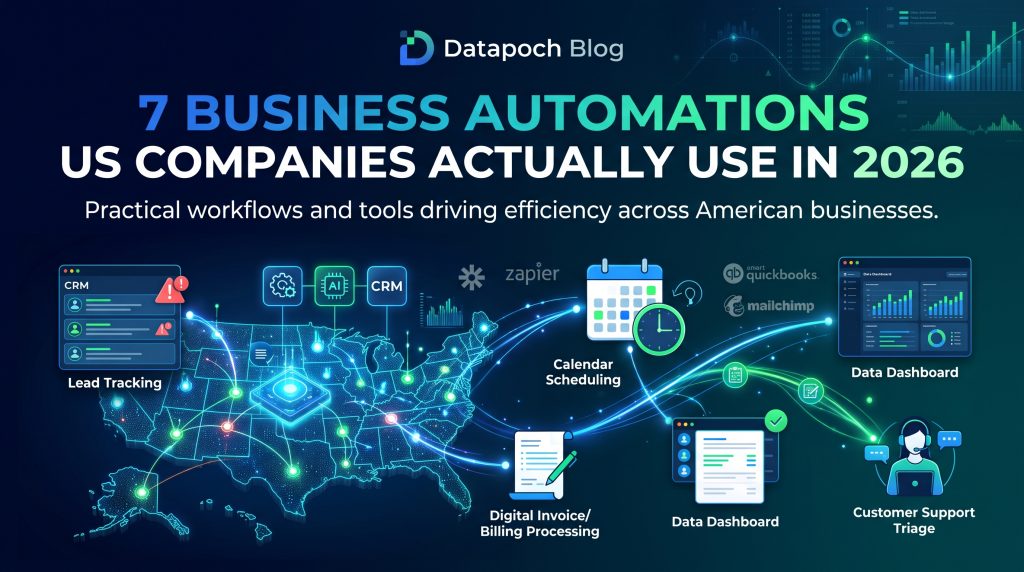
Business Automation in the USA AI hype is everywhere, yet most American small and midsize businesses are not chasing futuristic robots—they are automating repetitive back-office and sales bottlenecks that eat up payroll.
According to the US Chamber of Commerce, 66% of US small businesses report using AI in 2026, up sharply from 23% in 2023. Meanwhile, US Census Bureau data from November 2026 shows 25.0% of all US employer businesses are actively running AI in production, with adoption climbing fastest among companies with 20 or more employees.
Instead of replacing teams, US businesses use automation to respond to leads faster, get paid on time, and stop copying data between spreadsheets. Here are the seven workflows American companies rely on every day.
1. Instant Lead Capture, Qualification, and Follow-Up Business Automation in the USA
In competitive US markets—especially home services, contractors, agencies, and B2B consulting—leads that sit unread in an inbox for hours go to the first competitor who calls back.
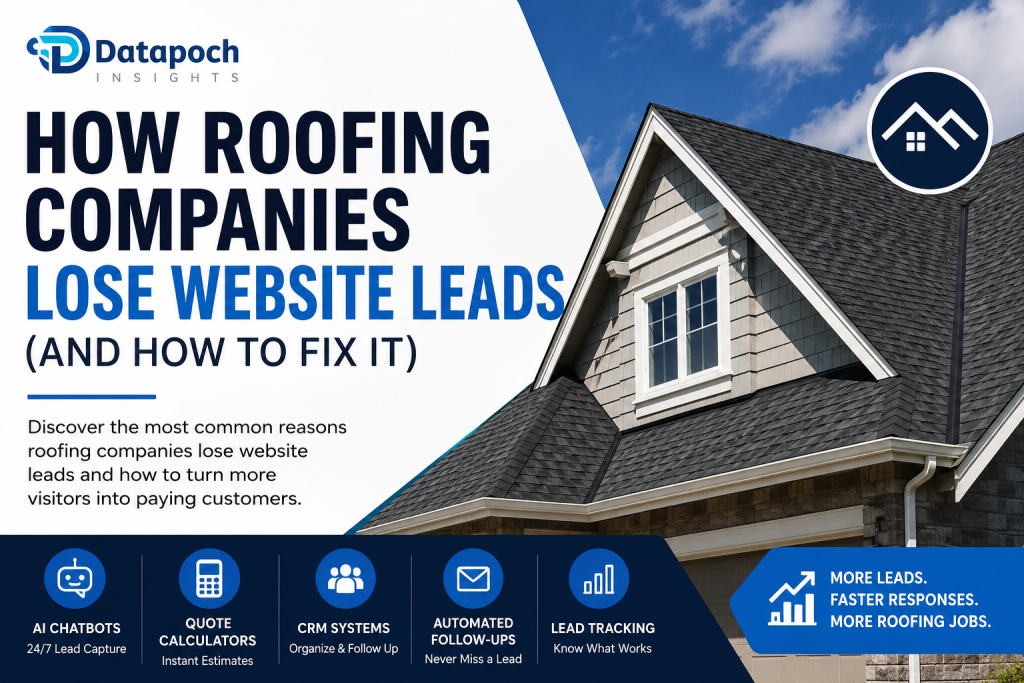
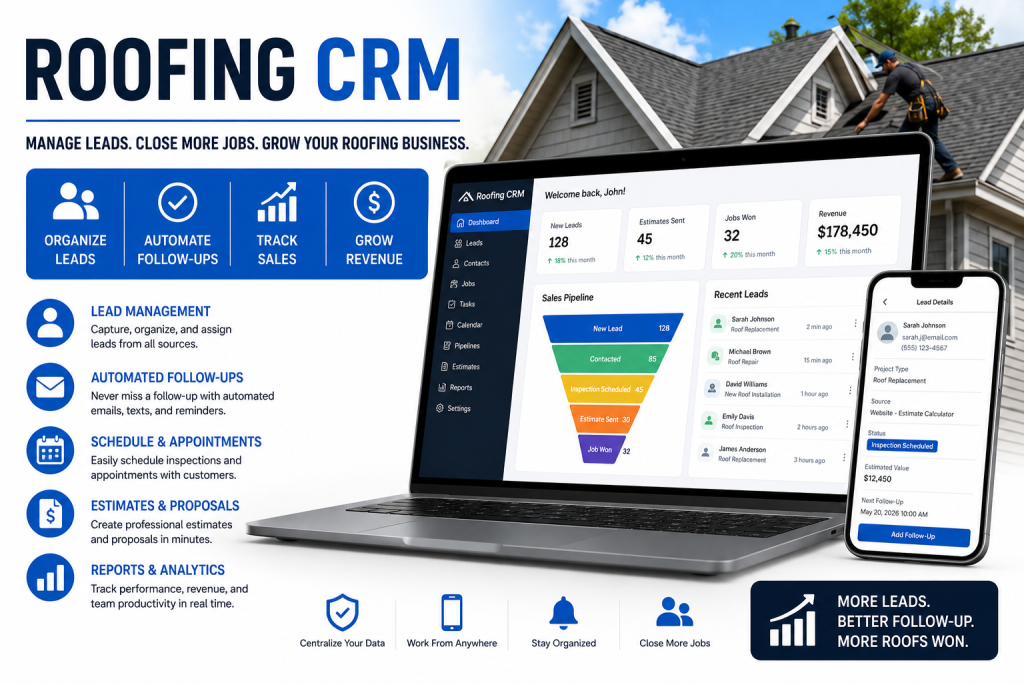
- What gets automated: Website forms, emails, and social messages flow straight into a CRM, where an automation scores the lead, summarizes what they need, alerts the right rep, and triggers an immediate follow-up sequence.
- Key safeguard: Top-performing teams let staff review outbound messages during rollout and never let AI invent pricing, availability, or contract terms.
2. Appointment Booking and No-Show Reminders
Eliminating back-and-forth scheduling emails is one of the fastest wins for US clinics, salons, repair services, and consultants.
- What gets automated: Self-service booking links sync with live calendar availability, detect time zones automatically, send confirmation details, and fire off SMS or email reminders before the meeting.
- Bonus workflow: When a client cancels, automated rules immediately alert staff or offer the open slot to a waitlist.
3. Invoice Processing, Billing, and Payment Reminders
Manual invoicing and chasing overdue payments remain major cash-flow bottlenecks for US small businesses.
- What gets automated: Systems extract line items from vendor PDFs, match invoices against purchase orders, generate recurring client bills upon project completion, and send polite overdue payment reminders.
- Key safeguard: US finance teams keep a human-in-the-loop—automation extracts data and flags exceptions, while a human approves payments and bank changes.
4. Customer Support Triage and AI Reply Drafts
When support tickets pile up in a shared inbox, urgent billing or service issues get buried behind routine questions.
- What gets automated: Incoming requests are automatically categorized by topic (billing, delivery, technical issue), tagged by urgency, and routed to the right specialist. For common questions, AI drafts a reply grounded in approved help articles.
- Key safeguard: Refund disputes, complaints, security concerns, and low-confidence answers are automatically escalated to a human agent.
5. Quote and Proposal Preparation
Contractors, software agencies, and B2B service firms lose hours turning discovery notes into formatted proposals.
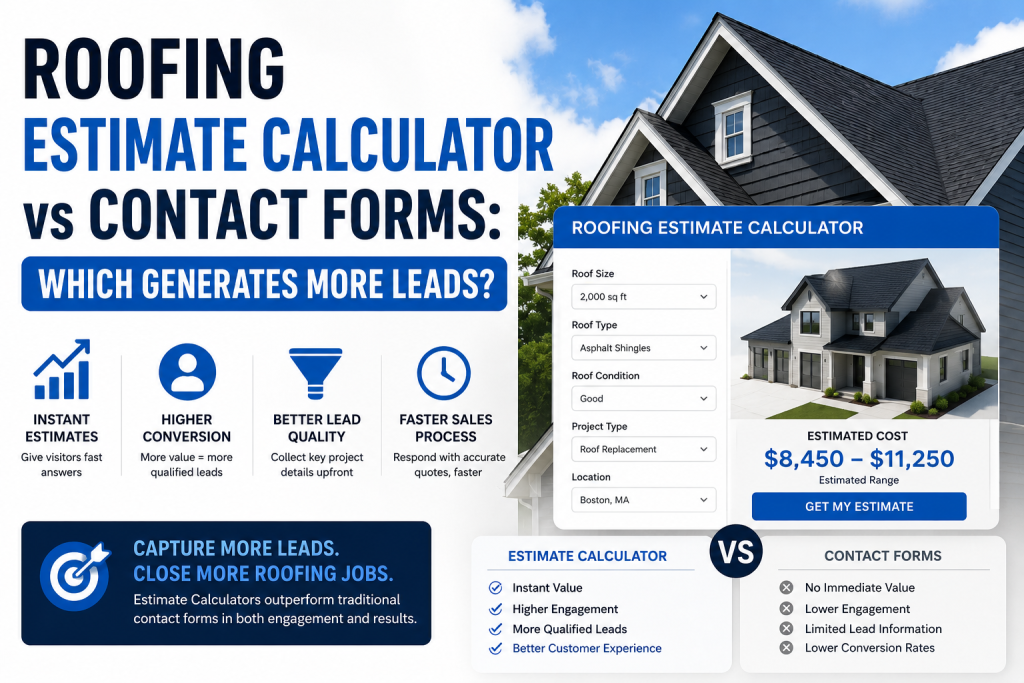
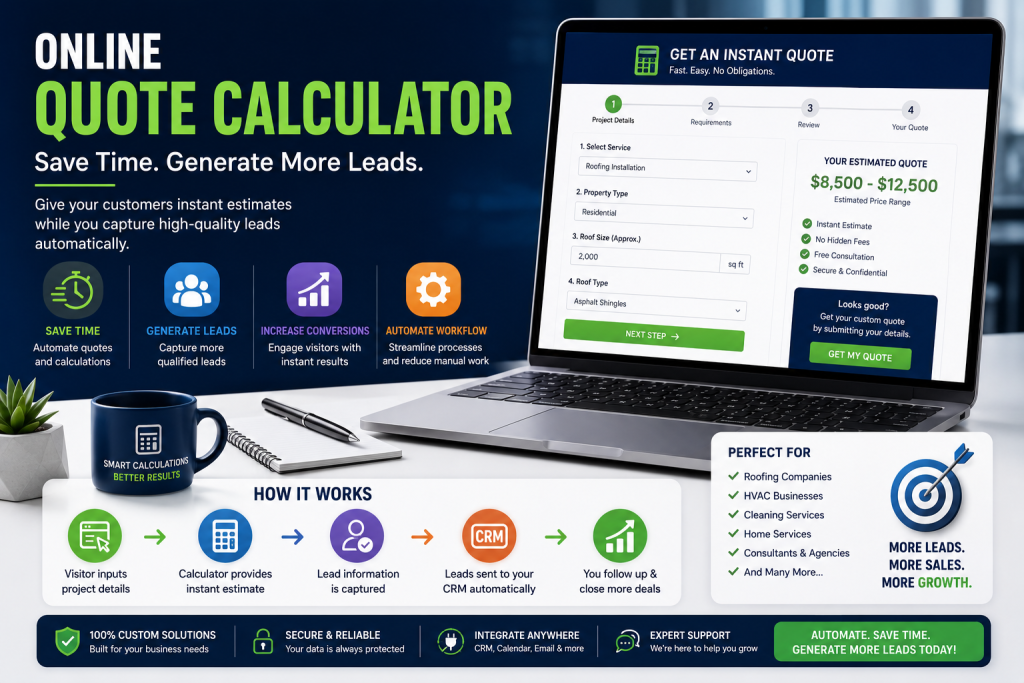
- What gets automated: Intake form answers combine with approved pricing rules to generate a first-draft quote or statement of work (SOW), flagging missing project scope or timeline details before a salesperson reviews it.
6. Weekly Reporting and KPI Dashboards
Pulling numbers from five different CSVs and spreadsheets before a Monday leadership meeting wastes hours every week.
- What gets automated: Scheduled pipelines pull sales, marketing, and operations data into a single live dashboard, generating weekly summaries and triggering alerts when key metrics spike or drop.
7. Payroll, Tax Filing, and New-Hire Onboarding
Because US payroll involves federal, state, and local tax rules, small employers heavily favor specialized automation here.
- What gets automated: Automated payroll runs, tax filings, employee self-service pay-stub portals, and standardized onboarding sequences (offer letters, welcome emails, system access, and orientation calendar invites).
The Automation Stack US Small Businesses Actually Use
Most US companies do not buy one massive enterprise platform. Instead, they pair specialized tools for core departments with a central workflow connector:
| Workflow Area | Popular Tools in the US | What It Automates |
| App-to-App Workflows | Zapier, Make, n8n | Connects 7,000–10,000+ apps with trigger-action rules and AI data-enrichment steps |
| CRM & Sales Pipeline | HubSpot, Bitrix24 | Lead enrichment, automated follow-up sequences, and deal-stage tracking |
| Accounting & Invoicing | QuickBooks, Wave | Recurring invoices, automatic expense categorization, and payment reminders |
| Email & SMS Marketing | Mailchimp, Brevo | Behavior-based customer journeys, SMS follow-ups, and automated drip campaigns |
| Payroll & HR | Gusto, Breezy HR | Federal/state/local tax filing, unlimited payroll runs, and AI applicant scoring |
| Project Management | Asana, Trello (Butler) | Auto-moving task cards, flagging overdue blockers, and generating subtasks |
How to Start Automating Without Breaking Your Operations Business Automation in the USA
US companies that see real ROI from automation follow three simple rules:
- Fix one bottleneck first: Pick the single process costing the most time or lost revenue—usually slow lead response, manual invoicing, or weekly spreadsheet reporting—and automate that before touching anything else.
- Track real business metrics: Measure concrete before-and-after numbers like time to first response, no-show rate, invoice processing time, and proposal-to-sale conversion.
- Keep humans in charge of money and edge cases: Use automation for data entry, routing, and first drafts, and require human sign-off for pricing approvals, legal terms, and financial payouts.
Frequently Asked Questions (FAQ)
What is the #1 automation US small businesses set up first?Lead capture and automated follow-up is typically the first workflow US service businesses automate, because responding within minutes instead of hours directly increases booked appointments and revenue.
How much does small business automation cost in the USA?Entry-level tools like Zapier, HubSpot, Brevo, and Wave offer free tiers, with paid plans typically starting between $9 and $49 per month per tool. Costs scale as task volume grows, which is why high-volume teams often move to custom workflows or flat-rate platforms.
Do small businesses need a developer to automate workflows? Simple two-step automations (like sending a form submission to a spreadsheet) require no code. However, multi-step AI workflows—such as custom CRM quoting, invoice-to-PO matching with human approval, or automated BI dashboards—benefit from custom setup to protect data security and prevent billing overages.
Ready to Automate Your Highest-Cost Bottleneck?
Whether you need instant lead response for your CRM, human-approved invoice automation, or live AI dashboards built from your spreadsheets, DataPoch designs practical automation systems tailored to your existing tools.
Datapoch helps contractors in the USA and Canada capture more leads, automate follow-up, and book more appointments" is a strong line. Adding a time-bound benefit would make it more specific, for example: "…book more appointments without hiring extra office staff.
Get Free Consultation" works. "Get My Free Lead Audit" usually converts better for contractors because it promises something concrete.
Get Free ConsultationFrequently Asked Questions
How can contractors get more leads from their website?
Add a fast response system, clear calls to action, an instant estimate tool, AI chat, and automated follow-up so no enquiry goes cold.
How fast should a contractor respond to a new lead?
As fast as possible. Homeowners often contact several contractors, and the first one to reply usually wins the appointment. Automation helps you reply within a minute, even after hours.
Does Datapoch work with contractors outside the USA?
Yes. Datapoch works with contractors in the USA and Canada and can set up lead capture, follow-up and booking automation for your business.